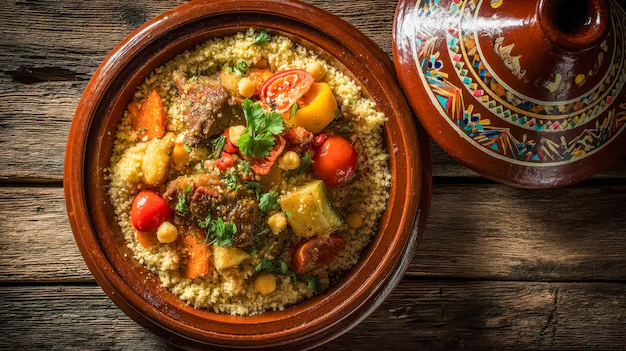
Kouskousi, widely known as couscous, is one of the most versatile and globally loved staple foods, yet it is often misunderstood. Many people assume it is a grain similar to rice or quinoa, but in reality, Kouskousi is a form of pasta made from semolina wheat. Originating in North Africa, this small, bead-like food has traveled across continents and is now a kitchen essential in homes from Morocco to the United States and beyond.
What makes Kouskousi especially appealing is its simplicity, speed of preparation, and ability to absorb flavors. Whether you are preparing a quick weekday meal or an elaborate dish for guests, it offers flexibility that few ingredients can match. From savory meat dishes to light salads and even sweet variations, couscous adapts effortlessly.
In this in-depth guide, you will learn everything about Kouskousi—from its origins and types to cooking techniques, taste profile, storage methods, and buying tips. This article is designed to give you both foundational knowledge and practical expertise, helping you confidently use couscous in your everyday cooking.
What Is Kouskousi?
Kouskousi is a traditional North African food made from crushed durum wheat semolina that is moistened and rolled into tiny granules. Despite its grain-like appearance, it is technically a pasta. The production process involves mixing semolina flour with water and shaping it into small pellets, which are then dried.
Historically, Kouskousi has been a staple in countries like Morocco, Algeria, Tunisia, and Libya. It is deeply tied to cultural traditions and is often served during family gatherings, celebrations, and communal meals. Traditionally, it is steamed multiple times in a special pot called a couscoussier, which allows the grains to become light and fluffy.
Modern versions of couscous, especially those found in supermarkets, are pre-steamed and dried. This makes them “instant,” meaning they require only a few minutes to prepare. This convenience has significantly contributed to its global popularity.
Kouskousi’s neutral flavor makes it an ideal base for a wide range of dishes. It can absorb broths, spices, and sauces, making it suitable for both savory and sweet recipes. From hearty stews to fresh salads, it functions as a culinary canvas.
Fast Facts About Kouskious
Understanding Kouskousi becomes easier when you look at its key characteristics:
- Origin: North Africa
- Main Ingredient: Durum wheat semolina
- Food Type: Pasta (not a grain)
- Cooking Time: 5–10 minutes (instant varieties)
- Traditional Cooking: Steamed three times
- Texture: Light, fluffy, slightly chewy (depending on type)
Kouskousi is valued for its efficiency in the kitchen. Unlike rice or many grains that require careful timing and water ratios, couscous is forgiving and quick. This makes it especially useful for busy households or beginner cooks.
Nutritionally, it provides carbohydrates, some protein, and small amounts of fiber. Whole wheat versions offer more fiber and nutrients, making them a healthier option. However, since it is made from wheat, it contains gluten and is not suitable for gluten-free diets.
Its adaptability across cuisines—from Mediterranean to Middle Eastern and even Western fusion dishes—adds to its global appeal.
Kouskousi vs. Quinao
Although Kouskousi and quinoa often appear similar in dishes, they are fundamentally different in composition, nutrition, and culinary use.
| Feature | Kouskousi | Quinoa |
| Type | Pasta (semolina-based) | Seed (treated as grain) |
| Gluten | Contains gluten | Gluten-free |
| Texture | Soft and fluffy | Slightly crunchy |
| Taste | Mild, slightly nutty | Earthy and nutty |
| Cooking Time | Very fast (5–10 mins) | Moderate (15–20 mins) |
| Protein Content | Moderate | High (complete protein) |
Kouskousi works best as a base for flavorful dishes because of its neutral taste. It easily absorbs spices, broths, and sauces. Quinoa, on the other hand, has a stronger natural flavor and is often used for its nutritional benefits, especially in high-protein diets.
In practical cooking scenarios, Kouskousi is ideal when you need a quick, comforting side dish. Quinoa is better suited for health-focused meals where protein and gluten-free options are priorities.
Varieties of Kouskousi
Kouskousi comes in several varieties, each offering a unique texture, size, and cooking experience. Understanding these differences helps you choose the right type for your dish.
Moroccan Kouskousi
This is the smallest and most traditional form. The grains are fine and cook very quickly, often in just a few minutes. It produces a light and fluffy texture, making it perfect for classic North African dishes served with vegetables and meat stews.
Israeli (Pearl) Kouskousi
Larger and rounder, Israeli couscous resembles small pasta pearls. It has a firmer texture and a slightly nutty flavor. Unlike Moroccan couscous, it is often toasted before packaging, which adds depth to its taste. It typically takes around 10 minutes to cook.
Lebanese Kouskousi (Moghrabieh)
This is the largest variety. It has a chewy texture and requires longer cooking time. It is often used in rich, slow-cooked dishes with chickpeas, chicken, or lamb.
Whole Wheat Kouskousi
A healthier variation made from whole wheat semolina. It contains more fiber and nutrients compared to regular couscous. It has a slightly denser texture and nuttier flavor.
Each type of Kouskousi serves a specific culinary purpose. Smaller grains are better for light dishes, while larger varieties are ideal for hearty meals.
Couscous Uses
Kouskousi is incredibly versatile and fits seamlessly into a wide range of dishes. Its neutral flavor allows it to adapt to different cuisines and cooking styles.
It can be used as a side dish, much like rice or pasta, accompanying meats, vegetables, or sauces. In salads, couscous adds texture and substance, often combined with ingredients like tomatoes, cucumbers, herbs, and lemon dressing.
In soups and stews, Kouskousi acts as a thickening agent while absorbing the flavors of the broth. It is also commonly used as a base for main dishes, paired with grilled chicken, lamb, or roasted vegetables.
Interestingly, couscous can also be used in sweet dishes. When combined with ingredients like raisins, honey, cinnamon, and nuts, it transforms into a comforting dessert.
Its adaptability makes it suitable for meal prep as well. It stores well, reheats easily, and can be transformed into different meals throughout the week.
How to Cook With Kouskousi
Cooking Kouskousi is straightforward, but technique matters if you want the perfect texture.
The most common method for instant couscous involves boiling water or broth, removing it from heat, and then adding the couscous. After covering it for about five minutes, the grains absorb the liquid. Fluffing with a fork separates the grains and prevents clumping.
Another method involves cooking it like rice. In this approach, couscous is lightly toasted in butter or oil before adding liquid. This enhances flavor and gives a slightly richer taste.
Traditional preparation involves steaming the couscous multiple times using a couscoussier. This method produces the most authentic texture—light, airy, and perfectly separated grains. While this method requires more effort, it is still widely practiced in North African households.
The key to success is avoiding overcooking. Too much water or excessive cooking time can result in mushy couscous. The goal is a fluffy, non-sticky texture.
Easy, Three-Ingredient Kouskousi Recipe
For beginners, a simple recipe is the best way to understand how Kouskousi works.
Start by boiling one and a half cups of water or broth. Once it reaches a boil, remove it from heat and stir in one cup of couscous along with a pinch of salt. Cover the pot and let it sit for about five minutes.
After resting, use a fork to fluff the couscous gently. This step is crucial because it separates the grains and improves texture. Adding a small amount of butter or olive oil enhances flavor and prevents sticking.
This basic recipe can be customized easily. You can mix in herbs, vegetables, or proteins to create a complete meal. For example, adding roasted vegetables and grilled chicken turns it into a balanced dish.
The simplicity of this recipe is what makes Kouskousi a favorite among home cooks.
What Does Kouskousi Taste Like?
Kouskousi has a mild and slightly nutty flavor, similar to plain pasta. On its own, it is not very strong in taste, which is precisely what makes it so versatile.
Its real strength lies in its ability to absorb flavors. When cooked in broth instead of water, it takes on a richer taste. When combined with spices like cumin, cinnamon, or paprika, it becomes more aromatic and complex.
The texture varies depending on the type. Moroccan couscous is light and fluffy, while Israeli couscous is firmer and slightly chewy. This variation allows cooks to select the right type for different dishes.
Because of its neutral base, Kouskousi works equally well in savory and sweet recipes. It can be transformed into a spicy side dish or a sweet dessert with just a few ingredient changes.
Couscous Recipes
Kouskousi can be used in countless recipes, making it a staple for creative cooking.
A popular savory option is couscous with vegetables and spices. This dish often includes carrots, zucchini, chickpeas, and a blend of spices, creating a balanced and flavorful meal.
Another common preparation is Israeli couscous salad. This version includes fresh herbs, lemon juice, olive oil, and vegetables like cherry tomatoes and cucumbers. It is light, refreshing, and perfect for warm weather.
For a heartier dish, couscous can be paired with grilled meats such as chicken or lamb. The grains absorb the juices from the meat, enhancing the overall flavor.
Sweet couscous recipes are also worth exploring. By adding dried fruits, nuts, and honey, you can create a dessert that is both simple and satisfying.
These recipes highlight how adaptable Kouskousi is, making it suitable for everyday meals as well as special occasions.
Where to Buy Kouskousi
Kouskousi is widely available in supermarkets around the world. You can usually find it in the pasta or rice section. Some stores also place it in the international foods aisle.
Different varieties may be labeled clearly, such as Moroccan or Israeli couscous. Whole wheat options are often available for those seeking a healthier choice.
Specialty stores that focus on Middle Eastern or Mediterranean foods may offer a wider range of options, including traditional and handmade varieties.
When buying couscous, check the packaging to see if it is instant or traditional. Instant couscous is more convenient, while traditional versions may require longer cooking but offer a more authentic texture.
Online grocery platforms also make it easy to access different types, especially if they are not available locally.
Storage
Proper storage is essential to maintain the quality of Kouskousi.
Uncooked couscous should be kept in a cool, dry place, such as a pantry. It is best stored in an airtight container to prevent moisture and contamination. When stored correctly, it can last up to two years.
Cooked couscous should be refrigerated in a sealed container. It typically stays fresh for about three days. However, if mixed with other ingredients like vegetables or meat, its shelf life may be shorter.
Reheating couscous requires adding a small amount of water to restore moisture. This helps maintain its soft texture and prevents dryness.
Freezing is also an option for longer storage. When frozen properly, couscous can last for several months without significant loss of quality.
FAQs
1. Is Kouskousi healthy for daily meals?
Yes, it can be part of a balanced diet. Whole wheat versions offer more fiber and nutrients.
2. Can Kouskousi be eaten cold?
Yes, it is often used in cold salads and retains its texture well.
3. Is Kouskousi suitable for weight loss?
It can be, if portion sizes are controlled and paired with healthy ingredients.
4. Can I cook Kouskousi without boiling water?
Hot broth or even steaming methods can be used instead of direct boiling.
5. What dishes pair best with Kouskousi?
It pairs well with grilled meats, roasted vegetables, and spiced stews.
Conclusion
Kouskousi is far more than a simple side dish—it is a globally adaptable, time-efficient, and culturally rich food. Its origins in North Africa give it a deep culinary heritage, while its modern convenience makes it a staple in kitchens worldwide. Whether you are preparing a quick meal or experimenting with new recipes, couscous offers unmatched flexibility.
From understanding its varieties to mastering cooking techniques and storage, having a solid grasp of Kouskousi allows you to elevate your meals with minimal effort. Its mild taste, quick preparation, and compatibility with countless ingredients make it a reliable choice for both beginners and experienced cooks.
