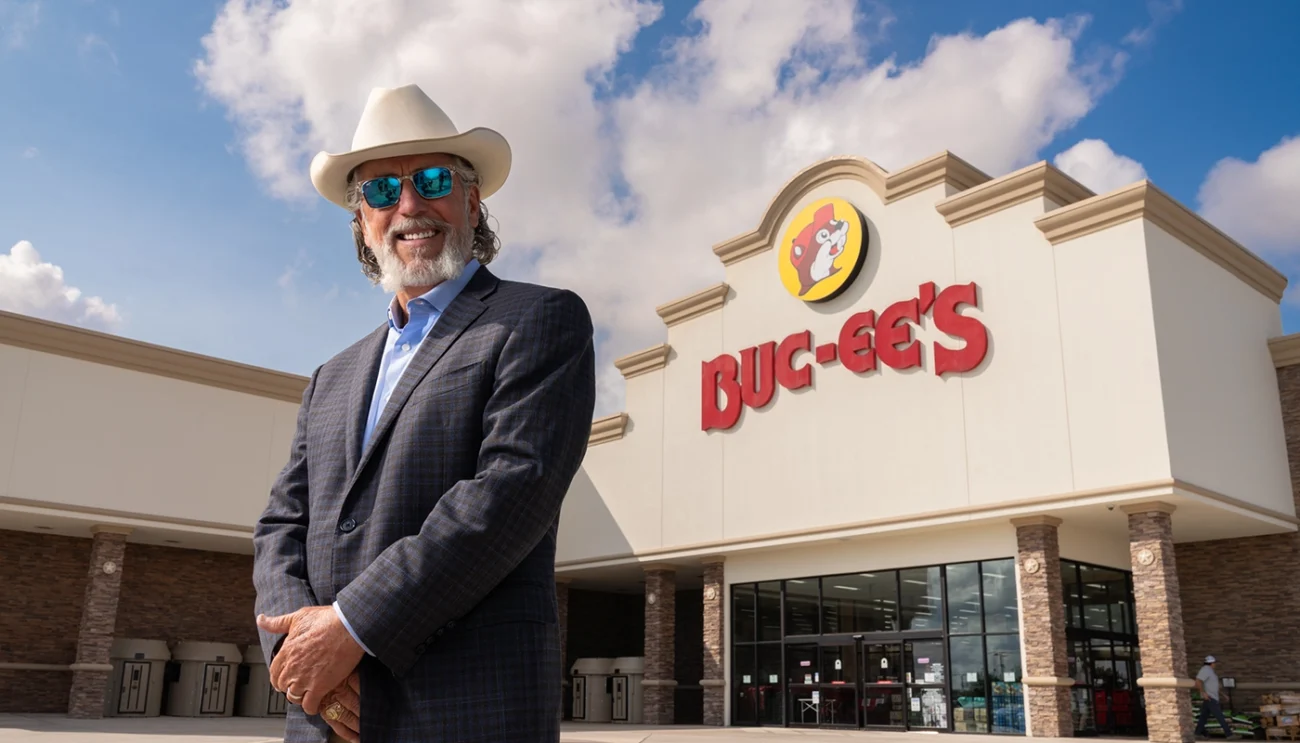
When people think about successful American entrepreneurs, many focus on technology founders, corporate executives, or investment experts. However, the story of the Buc Ee’s Owner, Arch “Beaver” Aplin III, proves that a simple idea executed exceptionally well can become one of the most recognizable business success stories in the United States.
What began as a small convenience store in Lake Jackson, Texas, has evolved into a travel center empire known for clean restrooms, quality food, customer-focused service, and a unique shopping experience. Today, Buc-ee’s attracts millions of visitors every year and has developed a loyal following that stretches far beyond Texas.
The success of Buc Ee’s Owner did not happen overnight. It was built through decades of hard work, careful planning, attention to detail, and an unwavering commitment to customer satisfaction. Aplin understood something many businesses overlook: people remember how a business makes them feel. By focusing on cleanliness, friendliness, consistency, and convenience, he transformed a standard roadside stop into a destination.
His journey offers valuable lessons for entrepreneurs, students, business leaders, and anyone pursuing a dream. From creating an iconic brand identity to giving back to communities, Aplin’s story demonstrates how vision, persistence, and strong values can create lasting success.
A Brand Built Around a Beaver
One of the most fascinating aspects of the Buc-ee’s story is its memorable brand identity. While many corporations spend millions trying to create recognizable logos, Buc-ee’s achieved something remarkable with a simple cartoon beaver.
The beaver mascot was inspired by Arch Aplin’s childhood nickname, “Beaver.” Rather than choosing a traditional corporate image, he embraced a fun and approachable character that reflected the company’s personality. The smiling beaver wearing a baseball cap quickly became one of the most recognizable symbols in roadside retail.
The branding strategy worked because it connected emotionally with customers. Families traveling long distances could easily spot the bright yellow signs from miles away. Children remembered the mascot, while adults associated it with quality, cleanliness, and reliability.
However, the true genius behind the Buc-ee’s brand is that the mascot is only the beginning. Behind the playful image lies a serious commitment to operational excellence. The company combines lighthearted marketing with rigorous standards for customer service and store management.
Every aspect of the customer experience supports the brand promise. Travelers expect clean facilities, fresh food, and friendly employees whenever they visit. By consistently delivering these expectations, Buc-ee’s has built a level of trust rarely achieved in the convenience store industry.
The Buc Ee’s Owner understood early that branding is not just about logos and advertising. It is about creating experiences that reinforce customer expectations. Every successful visit strengthens the connection between the customer and the brand.
Another key factor in the company’s branding success is authenticity. The beaver mascot reflects Aplin’s personality and roots rather than being a marketing invention created by consultants. This authenticity resonates with consumers who increasingly value genuine brands over corporate messaging.
Today, Buc-ee’s merchandise has become a business category of its own. Customers proudly wear branded shirts, hats, mugs, and accessories. This level of brand loyalty demonstrates how effective the company’s identity has become. Many customers purchase merchandise not simply as souvenirs but as symbols of a positive travel experience.
The beaver mascot may appear playful, but it represents a carefully developed brand strategy centered on trust, consistency, and customer satisfaction.
From Aggie to Texas Icon
Before becoming one of the most successful retail entrepreneurs in America, Arch “Beaver” Aplin was a student at Texas A&M University.
Aplin attended Texas A&M and earned a degree in building construction in 1980. Coming from a family involved in construction, the field seemed like a natural choice. The education he received provided valuable technical knowledge while also helping him develop the leadership skills that would later influence his business success.
His experience at Texas A&M shaped more than his professional abilities. The university’s culture of integrity, respect, leadership, and service left a lasting impact on his approach to business and community involvement.
Like many college students, Aplin entered adulthood during a period of uncertainty. He initially imagined a career constructing large commercial buildings. However, life took him in a different direction. Instead of building skyscrapers, he built a retail brand that would eventually become a Texas institution.
The transition demonstrates an important lesson about entrepreneurship: success often comes from recognizing opportunities rather than rigidly following a predetermined path. Aplin identified a gap in the market and pursued it with determination.
His connection to Texas A&M remained strong throughout his career. Over the years, he has supported the university through service, philanthropy, and leadership initiatives. His contributions have earned significant recognition, including being named a Distinguished Alumnus.
The story of Buc Ee’s Owner also highlights the importance of lifelong relationships. Many of Aplin’s friendships from his university years remain active decades later. These relationships reflect the strong sense of community that has influenced both his personal and professional life.
As Buc-ee’s expanded, Aplin became more than a successful businessman. He became a symbol of Texas entrepreneurship. His story resonates with people because it represents the possibility of turning a local business into a nationally recognized brand without abandoning core values.
His rise from student to business icon serves as inspiration for aspiring entrepreneurs. It shows that educational experiences, strong character, and long-term commitment can create extraordinary opportunities.
While many business leaders chase rapid growth, Aplin focused on sustainable expansion and customer satisfaction. This approach helped transform him from an Aggie graduate into one of the most respected business figures in Texas.
Building a Texas-Sized Dream
The growth of Buc-ee’s from a single convenience store into a multi-state enterprise represents one of the most impressive expansion stories in modern retail.
When the first store opened in Lake Jackson, Texas, in 1982, the mission was straightforward: provide a clean, friendly, and well-stocked experience for customers. While simple in concept, executing this vision consistently required exceptional discipline and attention to detail.
Many convenience stores compete primarily on fuel prices or location. Buc-ee’s chose a different strategy. The company focused on creating an experience that encouraged customers to stop, shop, eat, and return.
This customer-first philosophy became the foundation of the company’s growth model.
One major differentiator was cleanliness. Buc-ee’s invested heavily in maintaining spotless restrooms and facilities. What might seem like a small detail became a significant competitive advantage. Travelers began choosing routes and stops specifically because they trusted the Buc-ee’s experience.
Food quality also became a critical factor in the company’s success. Fresh barbecue, baked goods, snacks, sandwiches, and specialty items transformed the stores into dining destinations. Customers often visit for the food alone, creating additional revenue streams beyond fuel sales.
Location selection played another crucial role. Aplin remained personally involved in choosing store locations, ensuring each site had strong long-term potential. Rather than pursuing aggressive expansion for its own sake, the company carefully evaluated each opportunity.
The results have been remarkable.
Buc-ee’s now operates some of the largest convenience stores in the world and attracts millions of visitors annually. Its locations have become tourist attractions, drawing travelers who want to experience the famous stores firsthand.
Key Elements Behind Buc-ee’s Success
| Success Factor | Impact on Growth |
| Clean Facilities | Built trust and customer loyalty |
| Quality Food | Increased traffic and spending |
| Strong Branding | Created nationwide recognition |
| Strategic Locations | Improved accessibility and profitability |
| Consistent Service | Encouraged repeat visits |
| Employee Focus | Enhanced customer experiences |
Another factor often overlooked is employee engagement. Successful businesses understand that customer experiences depend heavily on frontline workers. Buc-ee’s developed a reputation for treating employees well and maintaining high operational standards.
The company’s growth demonstrates that innovation does not always require revolutionary technology. Sometimes innovation involves improving everyday experiences in meaningful ways.
By focusing relentlessly on customer needs, the Buc Ee’s Owner created a business model that competitors continue to study and admire.
A Force for Good
Business success is often measured by revenue, profits, and market expansion. However, Arch “Beaver” Aplin’s impact extends beyond commercial achievements.
Throughout his career, he has demonstrated a strong commitment to philanthropy, community support, and educational advancement. These efforts reveal a broader philosophy that successful businesses should contribute positively to society.
One example is Buc-ee’s support for disaster relief efforts. Following devastating floods in Texas communities, the company provided significant financial assistance to help affected families rebuild their lives. Such contributions demonstrate a willingness to respond when communities face challenges.
Community involvement has become an important part of the company’s identity. Rather than viewing charitable activities as public relations opportunities, Aplin has integrated service into the organization’s culture.
His support for Texas A&M University further reflects this commitment. Investments in educational initiatives help create opportunities for future generations of students and professionals. By supporting experiential learning programs, Aplin contributes to workforce development and industry innovation.
The values guiding these efforts mirror the principles that shaped his business success. Integrity, respect, responsibility, and community engagement are not merely slogans. They influence real decisions and actions.
The Buc Ee’s Owner also recognizes the broader responsibility employers have toward workers and local economies. Each new travel center creates jobs, supports local suppliers, and generates economic activity in surrounding communities.
This economic impact can be substantial. Large travel centers attract visitors, increase tourism spending, and contribute tax revenue that supports public services and infrastructure.
Another noteworthy aspect of Aplin’s leadership is his continued involvement in the business despite decades of success. He remains engaged in major decisions, attends groundbreaking ceremonies, and maintains a close connection to the company’s mission.
This hands-on leadership style reinforces accountability and helps preserve the culture that contributed to the brand’s growth.
For many entrepreneurs, success can lead to complacency. Aplin’s career demonstrates the opposite. His ongoing commitment to improvement, customer satisfaction, and community support illustrates how long-term success depends on continuous effort.
Ultimately, his legacy extends beyond retail innovation. It includes creating jobs, supporting education, helping communities, and demonstrating how business leadership can generate positive social impact.
Conclusion
The story of Buc Ee’s Owner Arch “Beaver” Aplin III is a powerful example of how vision, determination, and customer focus can transform a simple idea into an extraordinary success story. Starting with a single convenience store in Texas, he built Buc-ee’s into one of the most recognized travel center brands in America. His commitment to cleanliness, quality products, strong branding, and exceptional customer experiences created a business model that continues to stand out in a competitive industry.
Beyond commercial success, Aplin’s dedication to education, philanthropy, and community service highlights the importance of responsible leadership. His journey proves that dreaming big, staying committed to core values, and consistently serving people well can create a lasting legacy that extends far beyond business achievements.
FAQs
1. Why is Arch Aplin called “Beaver”?
The nickname originated during his childhood and eventually inspired the famous Buc-ee’s beaver mascot and brand identity.
2. What makes Buc-ee’s different from traditional gas stations?
Buc-ee’s focuses on large travel centers featuring extensive food options, clean facilities, unique merchandise, and exceptional customer service.
3. When was the first Buc-ee’s location opened?
The first Buc-ee’s store opened in Lake Jackson, Texas, in 1982.
4. How did Buc-ee’s become so popular?
Its popularity comes from consistent quality, clean restrooms, fresh food, strong branding, and a reliable customer experience.
5. What leadership lesson can entrepreneurs learn from Arch Aplin?
Entrepreneurs can learn the value of focusing on customer satisfaction, maintaining high standards, and growing strategically over the long term.
