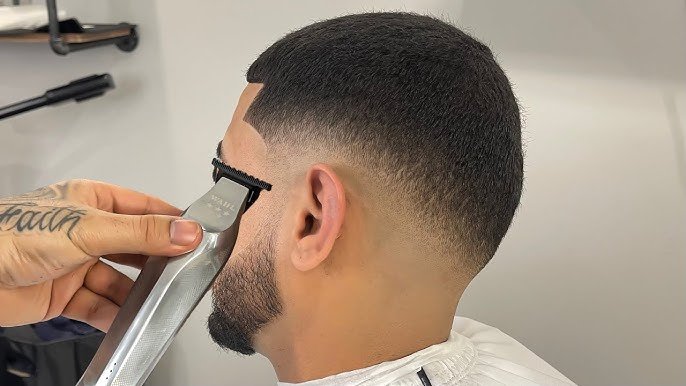
A Drop Fade is more than just a trending haircut—it’s a refined variation of the classic fade that adds shape, depth, and character to your overall look. If you’ve ever felt that a standard fade looks too flat or basic, the drop fade offers a more sculpted alternative. What sets it apart is the way the fade line curves downward behind the ear, following the natural contour of the head instead of staying straight across.
In today’s grooming landscape, precision and personalization matter more than ever. A drop fade delivers both. It works across different hair types, complements various face shapes, and can be paired with modern styles like textured tops, curls, or even clean buzz cuts.
Whether you’re stepping into a barbershop for the first time or refining your signature look, understanding how a drop fade works will help you communicate better and get consistent results.
This guide breaks everything down—from the structure of a drop fade to edge-up techniques and the importance of barber-client collaboration—so you can approach your next haircut with clarity and confidence.
What is a Drop Fade?
A Drop Fade is a haircut technique where the fade drops lower in the back of the head, creating a curved, arc-like transition instead of a straight line. Unlike traditional fades that maintain a horizontal guideline, the drop fade follows the natural shape of the skull, giving a more tailored and balanced appearance.
Technically, a drop fade is not a separate category of fade—it’s a variation in fade design. It can be applied to different fade types, including skin fades (bald fades) and shadow fades. The defining feature is the curved fade line, which starts higher at the temples and gradually dips behind the ears before blending into the neckline.
This structure enhances the overall silhouette of the haircut. For individuals with uneven head shapes or prominent crown areas, the drop fade helps create visual harmony. It also adds dimension, making the haircut appear more dynamic from all angles.
Another key advantage is versatility. A drop fade can be styled as:
- Low drop fade for a subtle, professional look
- Mid drop fade for balanced contrast
- High drop fade for a bold, edgy finish
However, most experienced barbers recommend keeping it low to mid for the most natural effect. When executed correctly, the blend should appear seamless, with no visible lines or harsh transitions.
In essence, the drop fade is about precision shaping, not just hair length. It’s a technique that elevates a basic fade into a more customized and visually appealing haircut.
Comments (12): Real Questions and Practical Insights
When people first learn about the Drop Fade, they often have similar questions—and these insights reveal how the haircut is understood in real-world scenarios.
One of the most common questions is the difference between a low fade and a drop fade. The answer lies in the shape, not just the height. A low fade stays straight and close to the natural hairline, while a drop fade curves downward, adding contour. This distinction becomes especially important when communicating with a barber.
Another frequent concern comes from clients who simply ask for “a fade” without specifying details. This highlights a gap in understanding. A fade is not a single fixed haircut—it’s a technique with multiple variations, including high, mid, low, skin, shadow, and drop fades. Without clarity, results can vary widely.
Barbers also face challenges when clients use vague or incorrect terminology. For example, requests like “razor drop fade with a heavy line” may reflect a desired look but lack technical precision. In such cases, visual references or detailed explanations become essential.
There are also style-specific questions, such as whether a drop fade suits curly hair or works for women. The answer is yes—because the technique adapts to different textures and lengths. The key is adjusting the blend and maintaining proportion.
These discussions show that the drop fade is not just about cutting hair—it’s about communication, expectation, and execution. The more informed you are, the better your outcome will be.
How to Get a Great Edge Up!
An edge up (also known as a line-up or shape-up) is the finishing detail that defines a clean haircut. When paired with a Drop Fade, it enhances sharpness and structure, giving the overall style a polished look—whether you’re going for a low drop fade, mid drop fade, or even a bold high drop fade. No matter the variation, from a classic drop fade haircut to a more textured dropped fade haircut, the edge up is what brings the entire look together.
A great edge up starts with precision tools—typically a trimmer or straight razor. The goal is to create crisp, straight lines along the hairline, temples, and neckline.
This requires a steady hand and a clear understanding of natural hair growth patterns. It works equally well across styles like a taper drop fade, a clean haircut drop fade, or even more specific looks such as an 8 guard buzz low drop fade.
The process begins by identifying the natural hairline. A skilled barber avoids pushing the line too far back, which can lead to an unnatural or receding appearance over time.
Instead, the edge up should enhance the existing shape, not alter it drastically. This is especially important for styles like a low drop fade haircut or a mid drop fade haircut, where balance and proportion define the overall result.
Symmetry is crucial. Both sides of the hairline must align perfectly, and the corners should be sharp but not exaggerated. For clients with uneven hairlines, slight adjustments can create the illusion of balance without overcorrecting.
This precision becomes even more noticeable in styles like drop fade black men cuts or drop fade curly hair, where texture and contrast highlight every detail. Looks such as low drop fade curly hair rely heavily on a clean edge up to maintain definition.
Maintenance also plays a role. A sharp edge up typically lasts 1–2 weeks, depending on hair growth. Regular touch-ups help maintain the clean look, especially when combined with a fade.
When done correctly, an edge up transforms a good haircut into a great one. It adds definition, highlights the fade, and ensures the overall style looks intentional and refined—no matter which drop fade variation you choose.
TeamWork to Make Your DreamWork
Achieving the perfect Drop Fade is not just about the barber’s skill—it’s a collaborative process between the client and the professional. Clear communication, mutual understanding, and realistic expectations are essential.
From the client’s perspective, preparation matters. Instead of simply asking for “a drop fade,” it helps to specify:
- Desired fade level (low, mid, high)
- Preferred top length and style
- Whether you want a skin or shadow finish
Bringing reference images can also bridge the gap between vision and execution. Visual cues reduce ambiguity and help the barber tailor the haircut to your specific features.
For barbers, consultation is key. Asking the right questions—about lifestyle, maintenance preferences, and previous haircuts—ensures the result aligns with the client’s needs. For example, someone with a busy schedule may prefer a lower-maintenance fade that grows out naturally.
Trust also plays a role. Experienced barbers understand head shape, hair density, and growth patterns. Allowing them some creative input often leads to better results than rigid instructions.
Ultimately, a great haircut is the result of shared effort. When both sides communicate effectively, the outcome is not just a haircut—it’s a personalized style that reflects confidence and individuality.
Drop Fade vs Regular Fade – Key Differences
| Feature | Drop Fade | Regular Fade |
| Fade Line Shape | Curved, drops behind the ear | Straight around the head |
| Visual Effect | More contoured and dynamic | Clean but more uniform |
| Customization | Highly adaptable to head shape | Standard structure |
| Style Impact | Adds depth and personality | Classic and simple |
| Best Use | Modern, styled looks | Traditional grooming |
This comparison highlights why the Drop Fade has become increasingly popular—it offers a more tailored and visually engaging result without being overly complex.
Conclusion
The Drop Fade stands out as a modern evolution of the classic fade, combining technical precision with aesthetic appeal. Its curved structure follows the natural shape of the head, creating a more balanced and refined look compared to traditional straight fades. Whether paired with a clean edge up or styled with textured hair on top, it delivers versatility and style.
Understanding how a drop fade works—and how to communicate your preferences—can make a significant difference in your grooming experience. With the right approach and collaboration, this haircut can elevate your overall appearance while remaining easy to maintain. For anyone looking to upgrade their style without going too extreme, the drop fade is a reliable and sophisticated choice.
FAQs
1. Is a drop fade suitable for all face shapes?
Yes, the curved design adapts well to most face shapes and can enhance natural proportions.
2. How long does a drop fade haircut take?
Typically 30–45 minutes, depending on complexity and hair type.
3. Can a drop fade be combined with a beard?
Yes, it blends well with beard fades for a seamless, connected look.
4. How often should I get a drop fade refreshed?
Every 2–3 weeks to maintain sharpness and clean transitions.
5. Does a drop fade work with long hair on top?
Absolutely, it pairs well with longer styles, adding contrast and structure.
